Even the Chocolate Is Wearing a Costume This Year and It Costs More Too
By EC Assets · Published · Updated
Americans will spend a record $13.5 billion on Halloween this year, $4.1 billion of it on candy, according to the National Retail Federation. Ninety-six per cent of shoppers plan to buy sweets.
What ends up in the bowl, though, has changed.
Cocoa hit a record in late 2024 and has since given back most of that rally. Yet US candy and chewing gum prices were still up 8.1% year on year in August, according to the Bureau of Labor Statistics, more than double headline inflation.
That is the asymmetry. Input costs travel up the supply chain quickly. They travel back down slowly, if at all.
The shelf price is only half the story. During the cocoa spike, manufacturers reformulated. Some swapped cocoa butter for cheaper vegetable fats. Several familiar wrappers quietly moved from "milk chocolate" to "chocolate candy", a label that no longer has to meet the FDA's standard for milk chocolate.
So it is the same bar, now in costume, at a higher price.
For producers, the arithmetic has turned. Hershey reported a sharp expansion in gross margin earlier this year as cheaper cocoa met prices that had been set during the spike. The company has since said it will move some recipes back towards traditional chocolate.
At EC Assets, we read this less as a commodity story and more as a pricing-power story. A falling input price tells you very little until you know who keeps the difference.
So far, it is not the trick-or-treater.
This Halloween, some ingredient lists and price tags are more frightening than any costume.
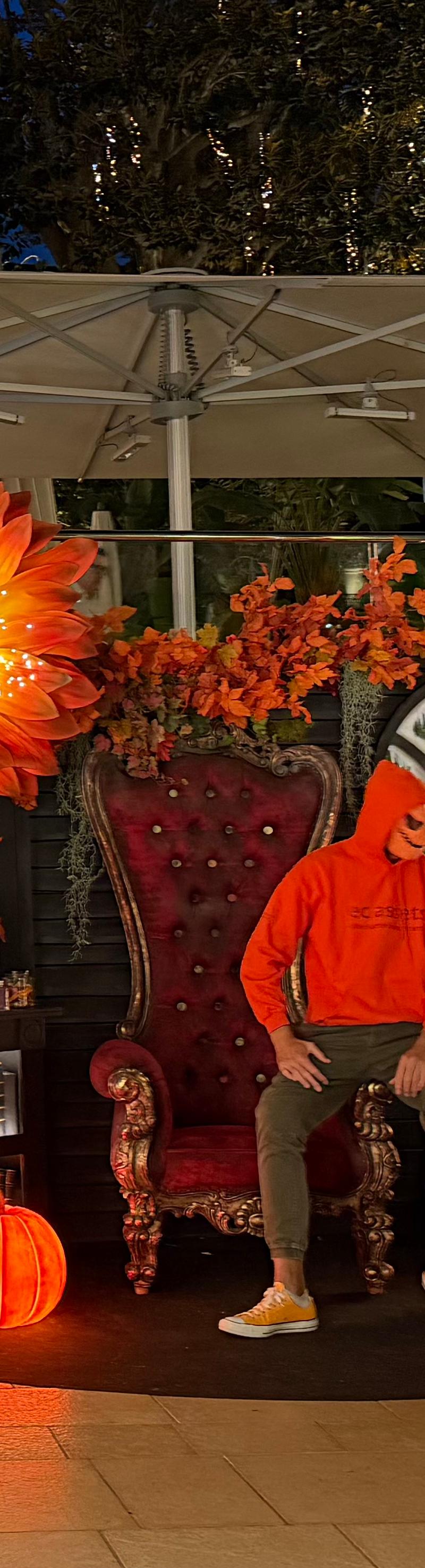
Happy Halloween from all of us on the team.


Stay informed
Market commentary, firm news and research from EC Assets - direct to your inbox.