What Formula 1 Teaches About Risk Management and Systematic Discipline
By EC Assets · Published · Updated
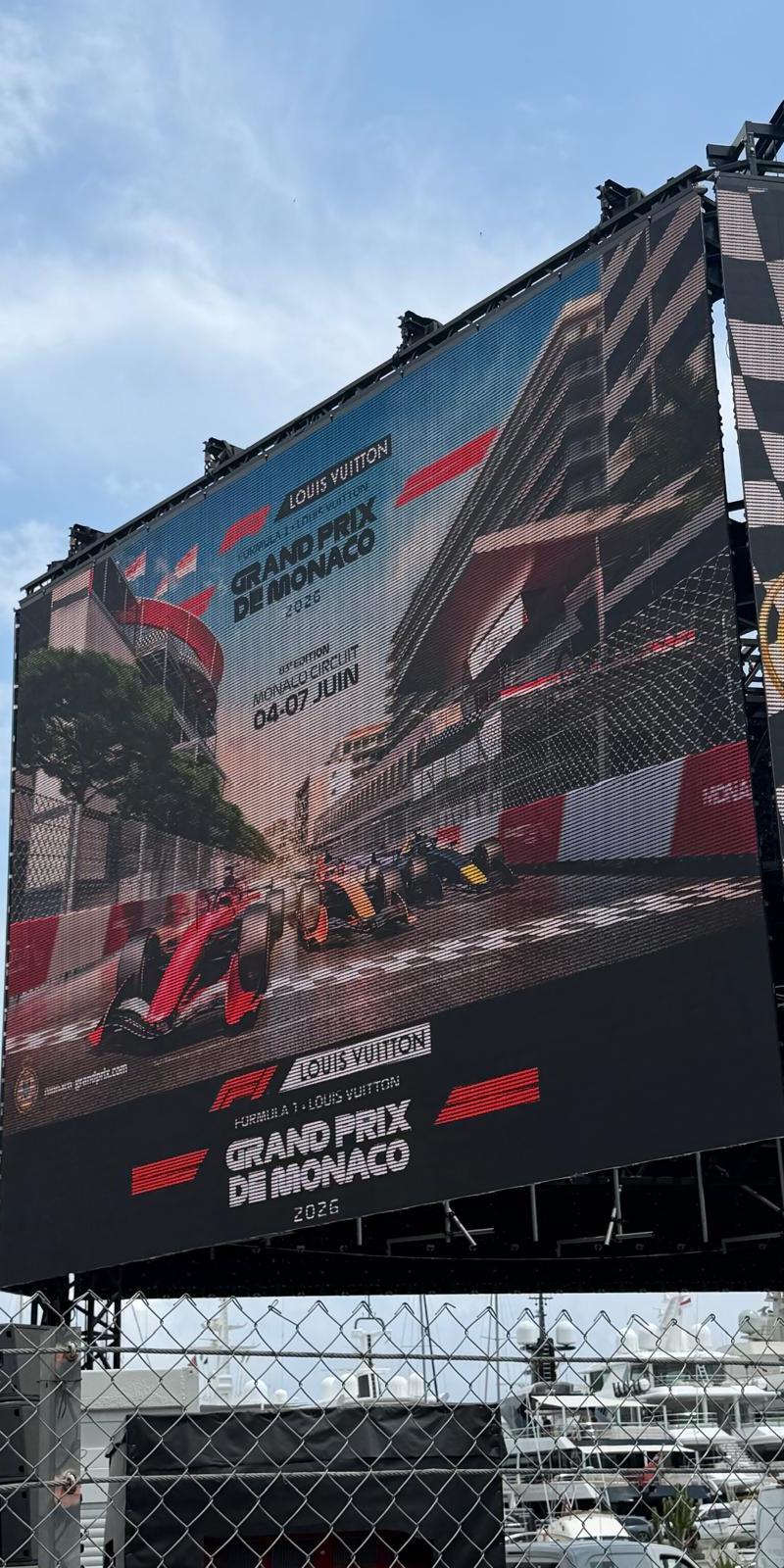
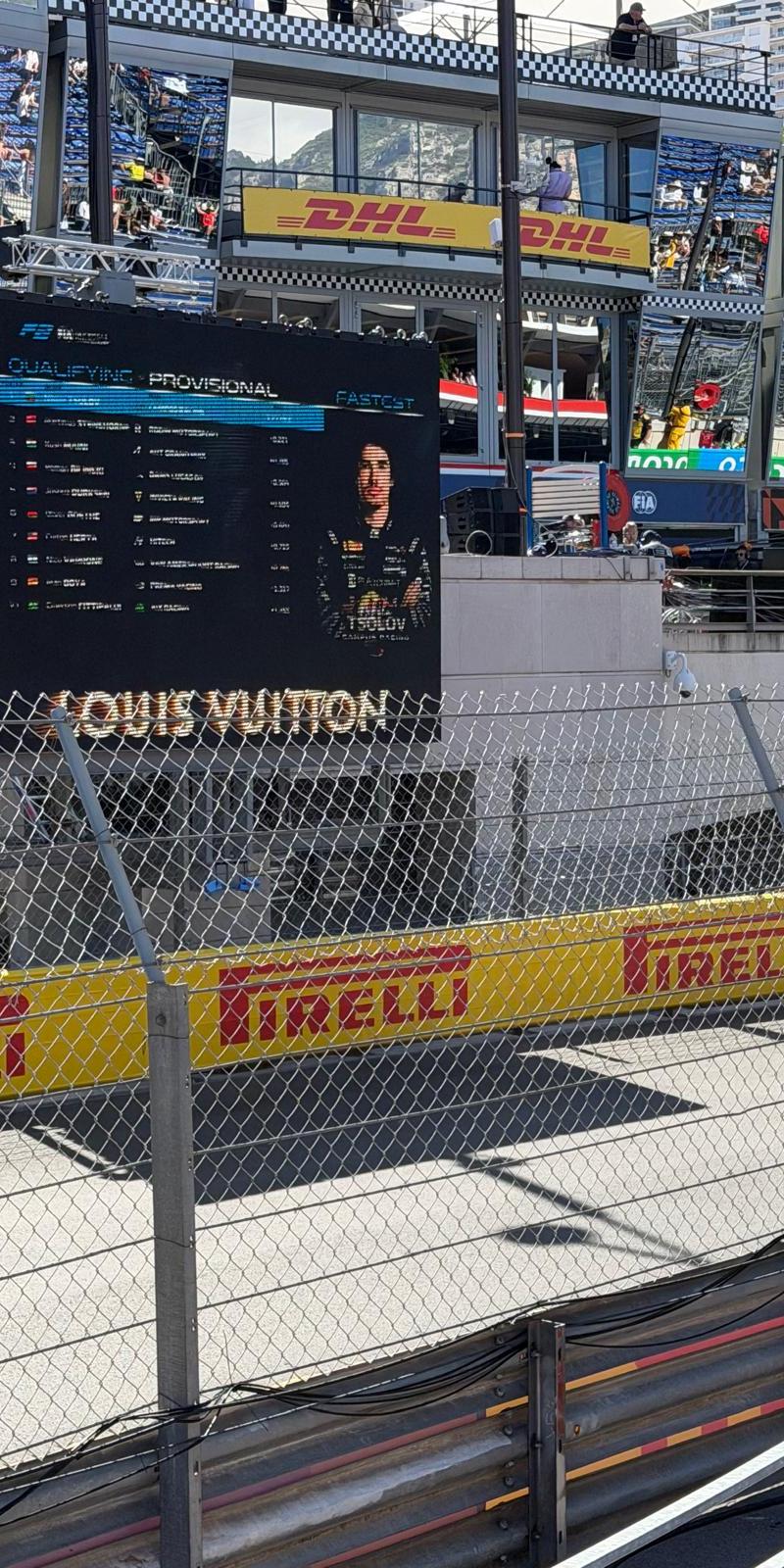
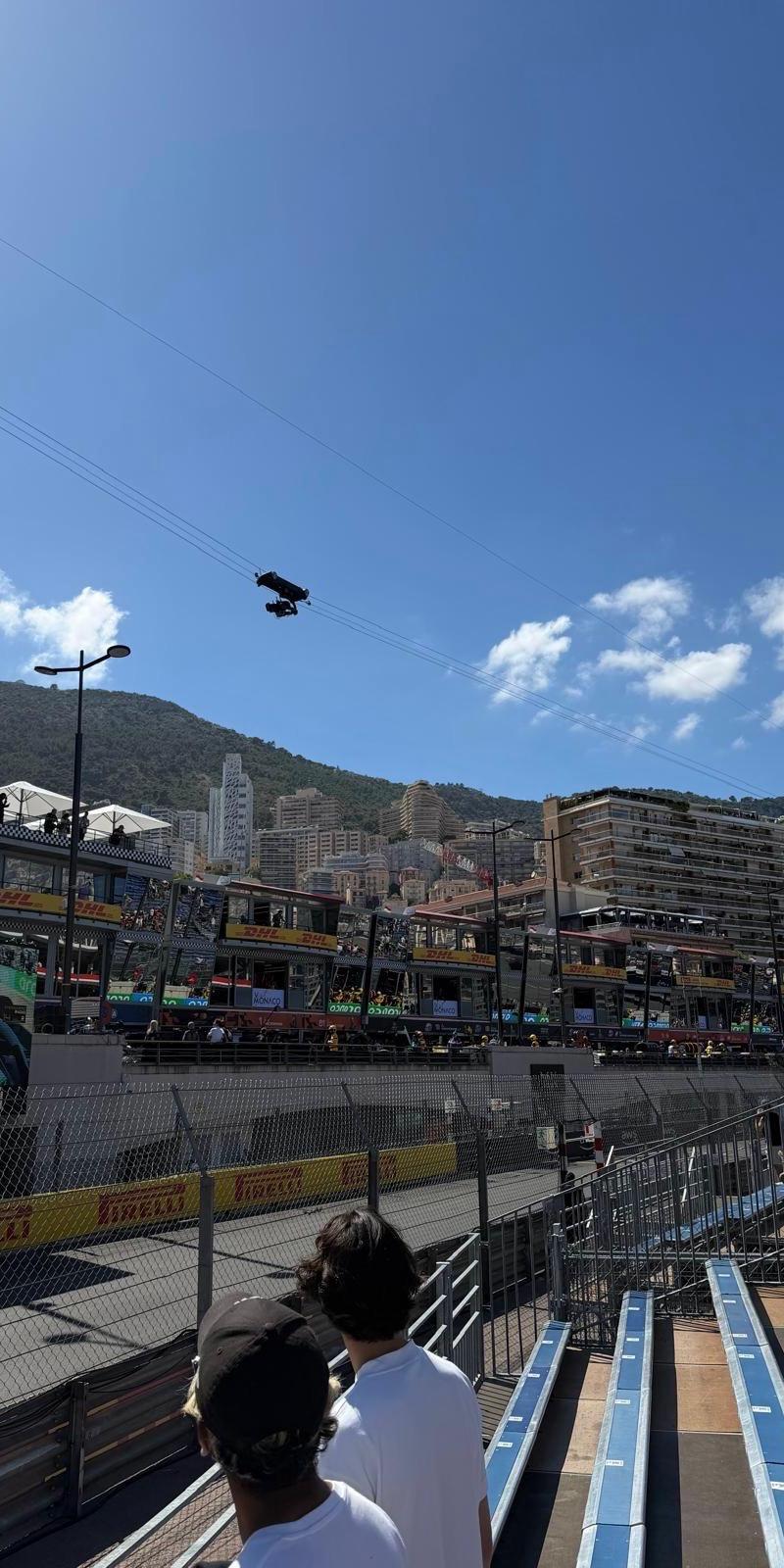
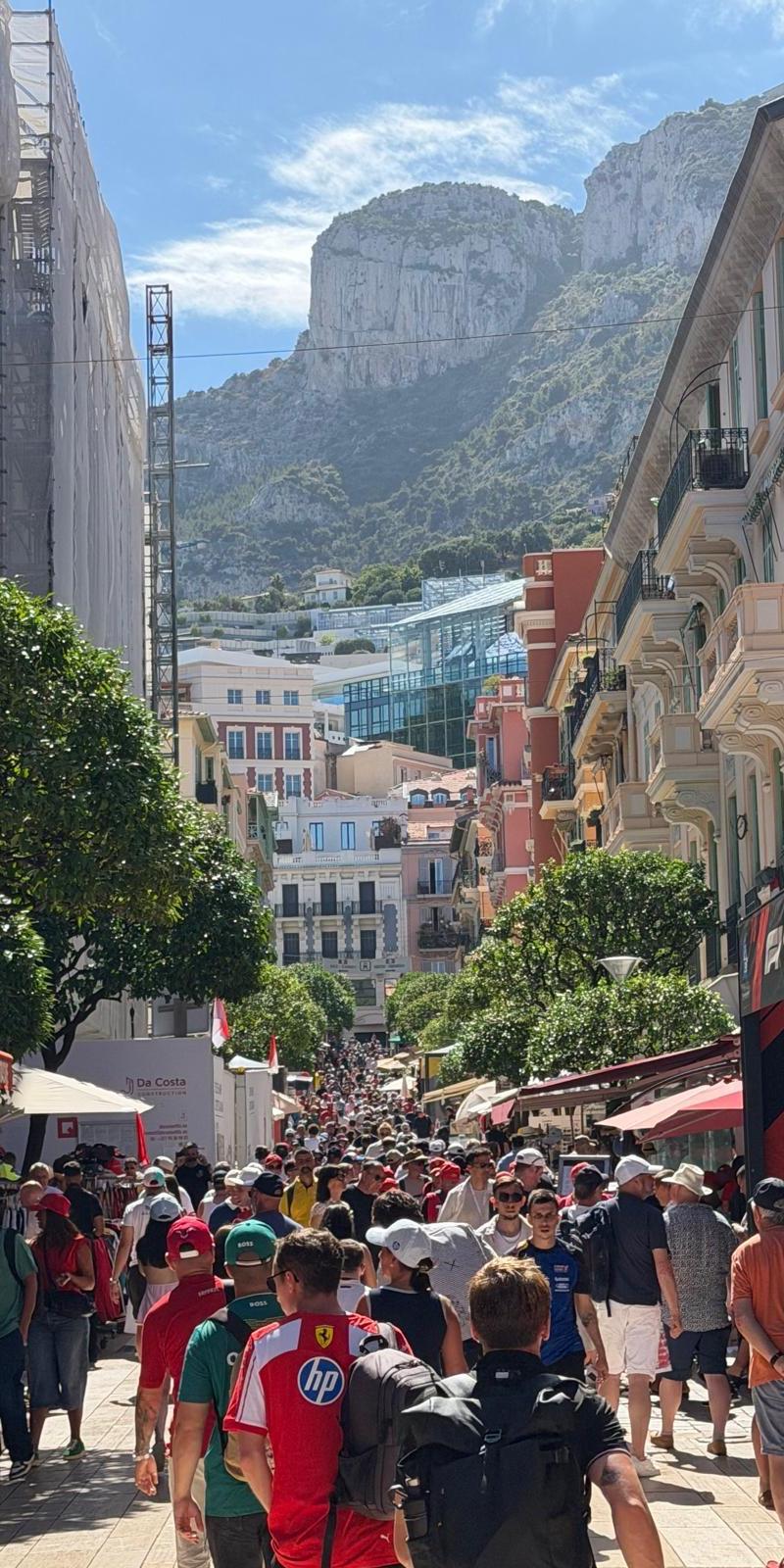
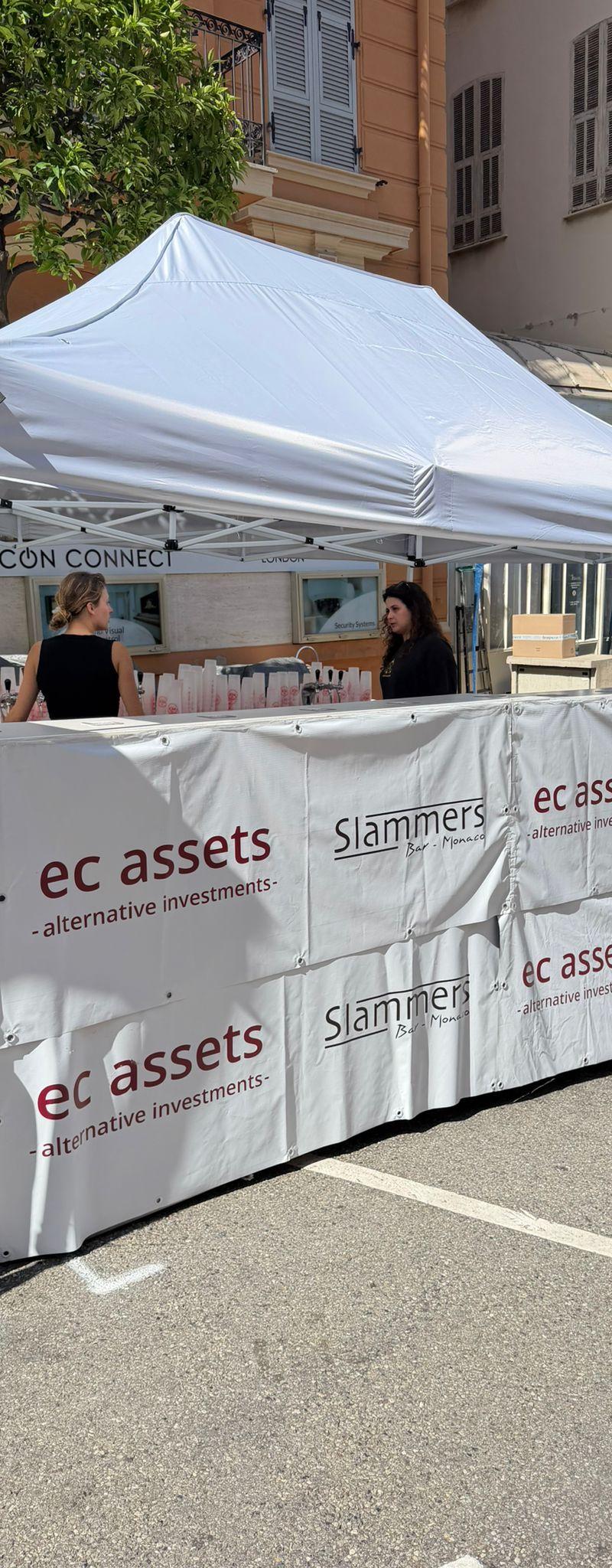
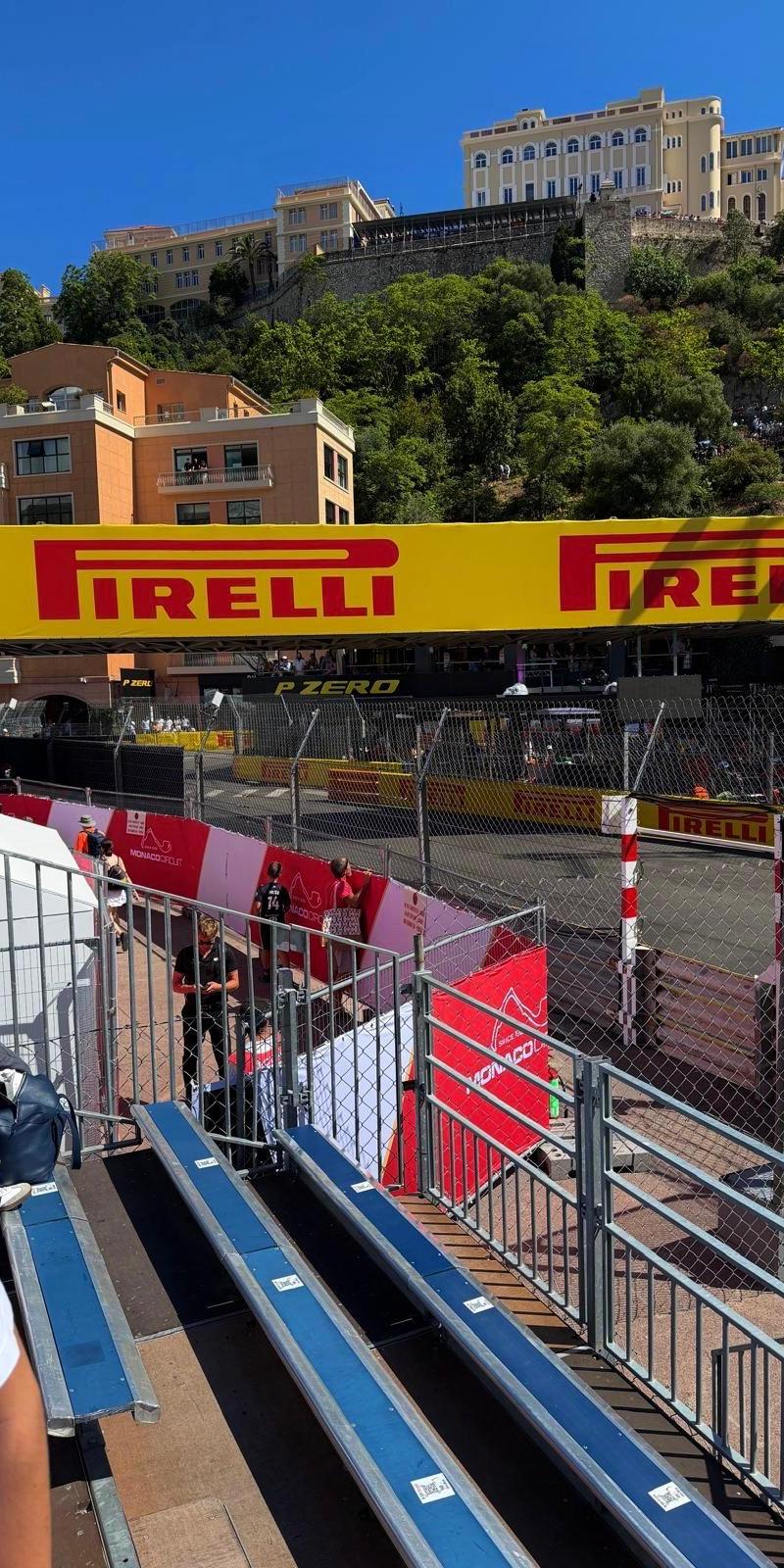
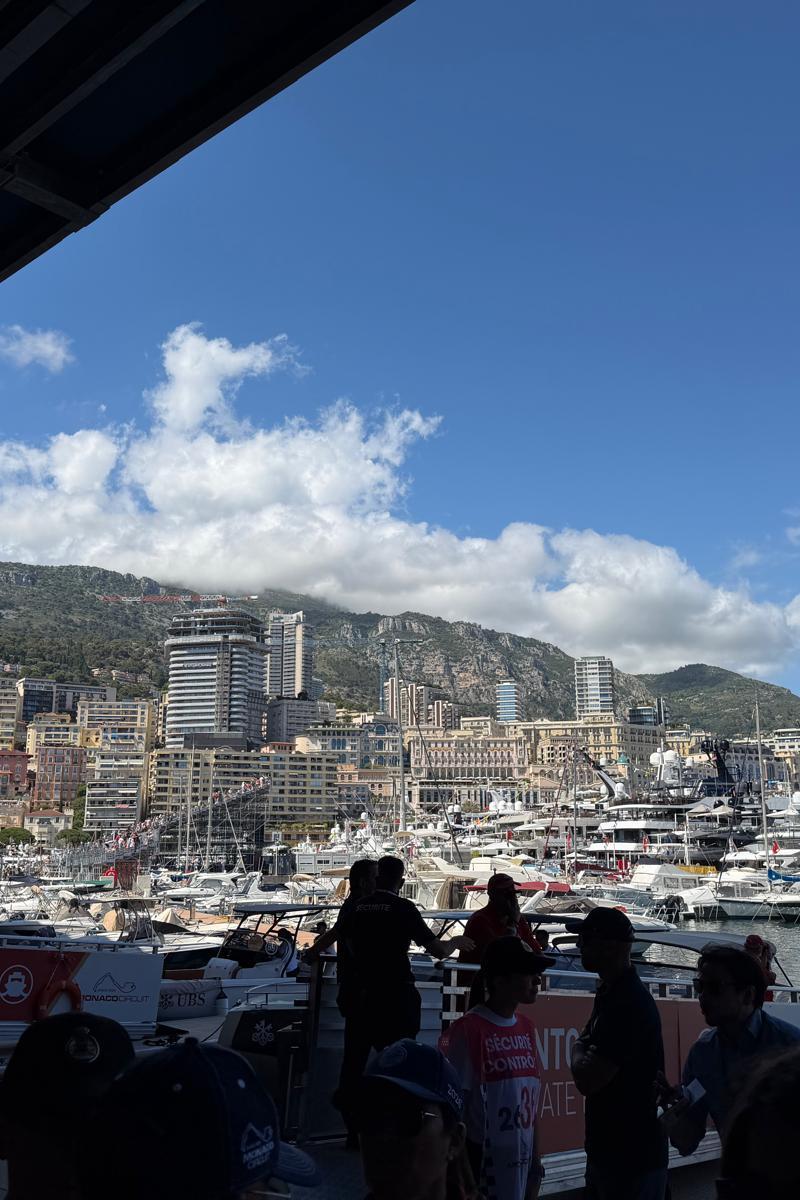
Monaco rewards precision and punishes the smallest error. Last weekend our team watched that play out from trackside, alongside clients we had invited to the Grand Prix.
The result looked clean on paper. Kimi Antonelli converted pole into a fifth consecutive win. The race itself was anything but.
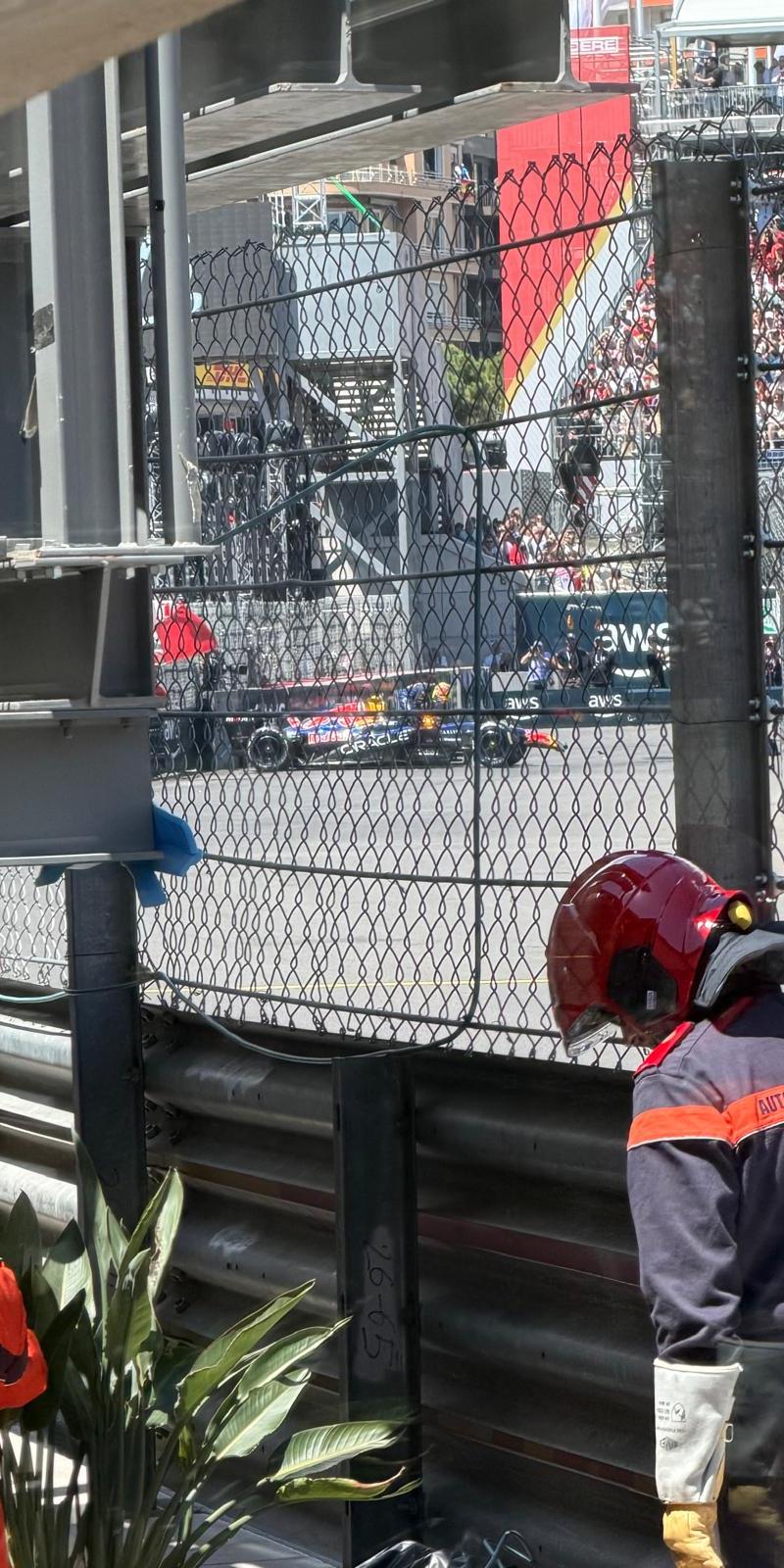
Max Verstappen was gone on the opening lap, a power unit failure ending his afternoon before he could show any pace. Charles Leclerc, the home favourite, went into the barriers. Seven cars retired. Penalties piled up for fractions of a second lost in the pit lane.
And the leader did not have it easy either. Antonelli built a commanding gap, then a safety car erased it in moments. He had to rebuild and defend the same advantage through restart after restart.
This is where the weekend connected to what we actually do.
A lead is never safe. Volatility resets the board without warning, and the edge is not in building the advantage. It is in protecting it when conditions turn.
Verstappen's exit is the cleaner lesson. You can execute perfectly and still be removed by something entirely outside your control. Event risk does not care how well you are driving. Survival comes first.
Leclerc's crash is the other side of it. Pushing hardest at the wrong moment ends races. Knowing when not to push is its own discipline.
At EC Assets, we think about markets the same way. The decision that matters most is rarely the spectacular one. It is staying composed through the reset, and stepping aside when the track is breaking up.
To finish first, you first have to finish. That holds on the grid, and it holds in the market.



Stay informed
Market commentary, firm news and research from EC Assets - direct to your inbox.